Friday, February 22, 2013


Thursday, February 21, 2013
Miki Starts at #18 And Loves It
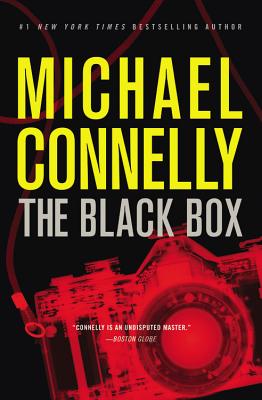
"The Black Box by Michael Connelly is the newest and 18th book in
the Harry Bosch Series. Having never read any of the Bosch series, I
was unsure if I would be able to really get into this one. After about two chapters, all of my
uncertainties were proven unwarranted. I was hooked.
The Black Box refers to the device that investigators look for after a plane crashes. This box usually has all of the evidence that can tell investigators what went wrong and why the crash happened. In this novel, Detective Bosch is searching for that one piece of evidence that will crack a case that has been cold for 20 years.
The crime was the murder of a young foreign
journalist who had come to America. Since her death occurred in the
midst of the LA riots, the case was blown off. She seemed to have been a
victim of the hostel world, not any specific killer. Well, for Bosch
and his Unsolved Crime Unit, that did not seem to be a sufficient
explanation.
Bosch very quickly begins to see connections in the
case and is thrust into a world he did not expect. It is difficult to
say much more without giving away too much about the book. I will just
say that Connelly has not only written another heart racing novel, but
he has written one that made me really think about many diverse topics
after I turned that last page."

--Miki
Eric B. Is Recommending...

One of our most brilliant historians, Tony Judt brings the past century vividly to life in this unprecedented and original history. Structured as a series of intimate conversations between Judt and his friend and fellow historian Timothy Snyder, Thinking the Twentieth Century presents the triumphs and the failures of the twentieth century's most prominent intellectuals and their ideas, guiding readers through the debates that defined our world.
Spanning an era with unprecedented clarity and insight, Thinking the Twentieth Century is a tour de force: a masterful analysis of the life of the mind and an unforgettable guide to leading the mindful life.
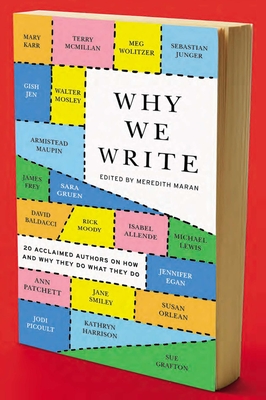
Twenty of America's bestselling authors share tricks, tips, and secrets of the successful writing life.
Anyone who's ever sat down to write a novel or even a story knows how exhilarating and heartbreaking writing can be. So what makes writers stick with it? In Why We Write, twenty well-known authors candidly share what keeps them going and what they love most—and least—about their vocation.
Contributing authors include:
Isabel Allende
David Baldacci
Jennifer Egan
James Frey
Sue Grafton
Sara Gruen
Kathryn Harrison
Gish Jen
Sebastian Junger
Mary Karr
Michael Lewis
Armistead Maupin
Terry McMillan
Rick Moody
Walter Mosley
Susan Orlean
Ann Patchett
Jodi Picoult
Jane Smiley
Meg Wolitzer
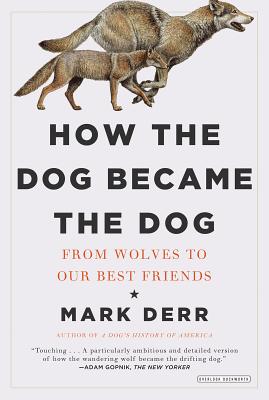 That the dog evolved from the wolf is an accepted fact of evolution and
history, but the question of how wolf became dog has remained a mystery,
obscured by myth and legend. How the Dog Became the Dog posits that
dog was an evolutionary inevitability in the nature of the wolf and its
human soul mate. The natural temperament and social structure of humans
and wolves are so similar that as soon as they met on the trail they
recognized themselves in each other.
That the dog evolved from the wolf is an accepted fact of evolution and
history, but the question of how wolf became dog has remained a mystery,
obscured by myth and legend. How the Dog Became the Dog posits that
dog was an evolutionary inevitability in the nature of the wolf and its
human soul mate. The natural temperament and social structure of humans
and wolves are so similar that as soon as they met on the trail they
recognized themselves in each other.
How the Dog Became the Dog adeptly and engrossingly examines this singular relationship. Combining the most recent scientific research with Mark Derr's original insights, this book shows that dogs made us human just as humans affected the evolution of dogs.
Anyone who's ever sat down to write a novel or even a story knows how exhilarating and heartbreaking writing can be. So what makes writers stick with it? In Why We Write, twenty well-known authors candidly share what keeps them going and what they love most—and least—about their vocation.
Contributing authors include:
Isabel Allende
David Baldacci
Jennifer Egan
James Frey
Sue Grafton
Sara Gruen
Kathryn Harrison
Gish Jen
Sebastian Junger
Mary Karr
Michael Lewis
Armistead Maupin
Terry McMillan
Rick Moody
Walter Mosley
Susan Orlean
Ann Patchett
Jodi Picoult
Jane Smiley
Meg Wolitzer
How the Dog Became the Dog adeptly and engrossingly examines this singular relationship. Combining the most recent scientific research with Mark Derr's original insights, this book shows that dogs made us human just as humans affected the evolution of dogs.

Wednesday, February 20, 2013
Miki's A New Fan of Tom Wolfe
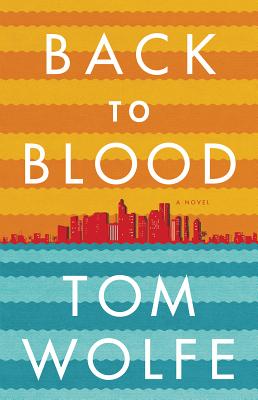
"Wow, am I glad this book landed in my lap! This was my first
experience with a work by Tom Wolfe. I was totally amazed by how
simple, yet brilliant, his writing is.
Back to Blood, set in Miami, Florida, is the story of a race, culture, art,
crime, love, and freedom. Nestor Comacho, a Cuban cop, is the main
character in this novel. As Nestor tries to climb the precinct ladder,
he commits a daring act to bring in an attempted Cuban immigrant into
custody. This proves to win him points at work, but completely shatters
his reputation back in his family home and neighborhood.
After this incident, Nestor seems to be a magnet for
press and for other huge cases. Very quickly, Nestor begins to see
that his race and the races of those who live in his world begin to
matter. He no longer sees himself as American. He must now see himself
as Cuban. And he must see others as white, black,brown, Haitian,
Russian, Cuban, etc.
As Nestor's 'melting pot' begins to separate, other
characters begin to develop and introduce themselves into Nestor's
world. Somehow, Wolfe deals with so many stereotypes, but in the best
way. He shows the falsities and the truths. He also shows how our use
of stereotypes can have a profound effect on our decisions and actions.
Yes, race is a huge part of this book, but it is so
much more than that. This is a love story, a story of heart break, a
story of identity, and this is a crime novel. Not only do I recommend
this novel, but I highly recommend the audio book which was narrated by
Lou Diamond Phillips."
 |
| Miki with Jeffrey Eugenides |
--Miki
"A buoyant, smart, searing portrait of our culture's obsession with young pop stars." --Entertainment Weekly
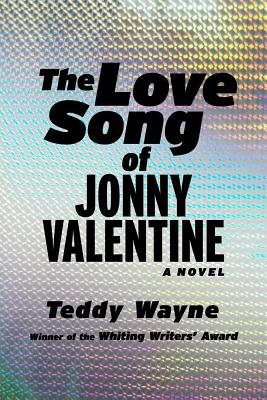
When Whiting Writers’ Award winner Teddy Wayne published his critically acclaimed debut, Kapitoil, it was hailed as “one of the best novels of [this] generation” by the Boston Globe and was shortlisted for a spate of national prizes.
Jonathan Franzen wrote in The Daily Beast that “no other writer, as far as I know, has invented such a funny and compelling voice and story for [this type of character.]” Now, in The Love Song of Jonny Valentine, Wayne turns his sharp wit, flawless narrative ventriloquism, and humane sensibility to our monstrous obsession with fame.
Megastar Jonny Valentine, eleven-year-old icon of bubblegum pop, knows that the fans don’t love him for who he is. The talented singer’s image, voice, and even hairdo have been relentlessly packaged—by his L.A. label and his hard-partying manager-mother, Jane—into bite-size pabulum. But within the marketing machine, somewhere, Jonny is still a vulnerable little boy, perplexed by his budding sexuality and his heartthrob status, dependent on Jane, and endlessly searching for his absent father in Internet fan sites, lonely emails, and the crowds of faceless fans.
Poignant, brilliant, and viciously funny, told through the eyes of one of the most unforgettable child narrators, this literary masterpiece explores with devastating insight and empathy the underbelly of success in 21st-century America. The Love Song of Jonny Valentine is a tour de force by a standout voice of his generation.
Jonathan Franzen wrote in The Daily Beast that “no other writer, as far as I know, has invented such a funny and compelling voice and story for [this type of character.]” Now, in The Love Song of Jonny Valentine, Wayne turns his sharp wit, flawless narrative ventriloquism, and humane sensibility to our monstrous obsession with fame.
Megastar Jonny Valentine, eleven-year-old icon of bubblegum pop, knows that the fans don’t love him for who he is. The talented singer’s image, voice, and even hairdo have been relentlessly packaged—by his L.A. label and his hard-partying manager-mother, Jane—into bite-size pabulum. But within the marketing machine, somewhere, Jonny is still a vulnerable little boy, perplexed by his budding sexuality and his heartthrob status, dependent on Jane, and endlessly searching for his absent father in Internet fan sites, lonely emails, and the crowds of faceless fans.
Poignant, brilliant, and viciously funny, told through the eyes of one of the most unforgettable child narrators, this literary masterpiece explores with devastating insight and empathy the underbelly of success in 21st-century America. The Love Song of Jonny Valentine is a tour de force by a standout voice of his generation.

Subscribe to:
Posts (Atom)